%2Ffit-in%2F250x250%2Fguide_websites%2F14194%2Fimages%2F1711189523546logo.jpg&w=1920&q=100)
/users/e1b864cd-970e-4e5c-89fe-d89937e6b8c4/ratecard/490225254_9366156743496722_4323782294456744172_n-mqrjr7ga.jpg)
%2F300x300%2Fusers%2Fe1b864cd-970e-4e5c-89fe-d89937e6b8c4%2Fratecard%2F490225254_9366156743496722_4323782294456744172_n-mqrjr7ga.jpg&w=256&q=75)
%2F300x300%2Fusers%2Fe1b864cd-970e-4e5c-89fe-d89937e6b8c4%2Fimages%2Fbest-great-spotted-weakfish-tx-2558.jpg&w=256&q=75)
%2F300x300%2Fusers%2Fe1b864cd-970e-4e5c-89fe-d89937e6b8c4%2Fimages%2Fanglers-fishing-south-padre-island-2463.jpg&w=256&q=75)
%2F300x300%2Fusers%2Fe1b864cd-970e-4e5c-89fe-d89937e6b8c4%2Fimages%2Fredfish-fishing-texas-2582.jpg&w=256&q=75)
%2F300x300%2Fusers%2Fe1b864cd-970e-4e5c-89fe-d89937e6b8c4%2Fimages%2Ftwo-people-fishing-tx-2410.jpg&w=256&q=75)
%2F300x300%2Fusers%2Fe1b864cd-970e-4e5c-89fe-d89937e6b8c4%2Fimages%2Fredfish-catch-tx-2578.jpg&w=256&q=75)
%2F300x300%2Fusers%2Fe1b864cd-970e-4e5c-89fe-d89937e6b8c4%2Fimages%2Fanglers-fishing-texas-2444.jpg&w=256&q=75)
%2F300x300%2Fusers%2Fe1b864cd-970e-4e5c-89fe-d89937e6b8c4%2Fimages%2Fbrook-trout-south-padre-island-2556.jpg&w=256&q=75)
%2F300x300%2Fusers%2Fe1b864cd-970e-4e5c-89fe-d89937e6b8c4%2Fimages%2Fredfish-roundup-in-texas-2661.jpg&w=256&q=75)
%2F300x300%2Fusers%2Fe1b864cd-970e-4e5c-89fe-d89937e6b8c4%2Fimages%2Fpacific-halibut-fishing-tx-2557.jpg&w=256&q=75)
%2F300x300%2Fusers%2Fe1b864cd-970e-4e5c-89fe-d89937e6b8c4%2Fimages%2Fsuccessful-fishing-trip-texas-2578.jpg&w=256&q=75)
Advanced Inshore Fishing South Padre Island
 South Padre Island
What you will be catching:
 Black Drum
 Redfish
 Sea Trout
 Sheepshead
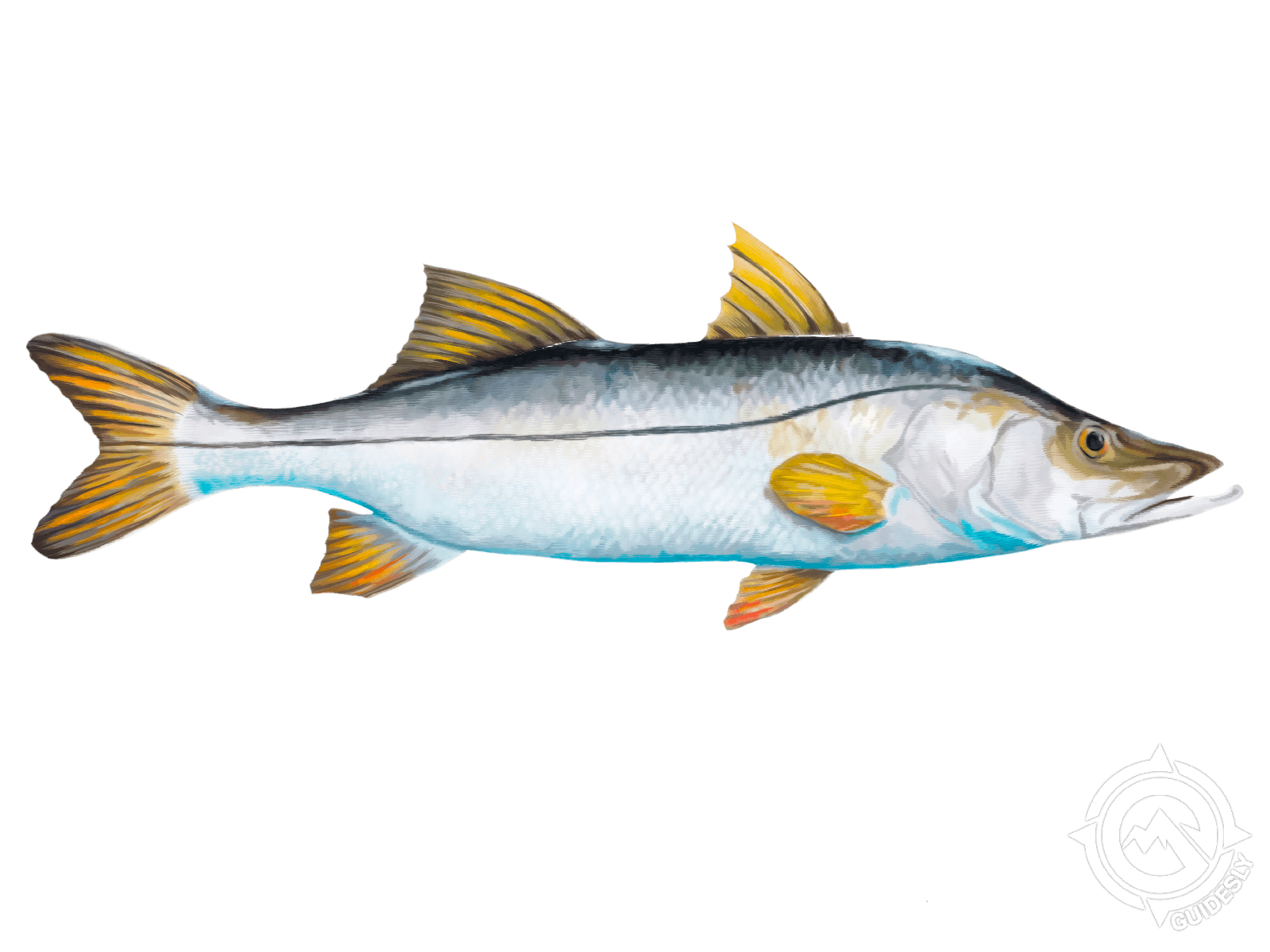
 Snook
Snook
- 5-hour inshore charter targeting redfish, drum, and seatrout
- Advanced techniques with personalized instruction for 2 anglers maximum
- Expert guide focuses on technical fishing in productive shallow waters
Trip Pricing and Availabilities:
Advanced Inshore Charter - South Padre Island
This isn't your typical guided fishing trip where we hold your hand through every cast. Get'm Hook'd Fishing Charters' half-day advanced inshore experience is built for anglers who know their way around a rod and want to dial in their skills on South Padre Island's productive flats. Over five focused hours, you'll work the shallow waters targeting redfish, black drum, and spotted seatrout using techniques that separate the weekend warriors from the serious stick. With just two anglers max, there's plenty of room to spread out and work different water without bumping elbows. Your captain brings years of local knowledge to put you on fish, but the approach and execution is all yours.
What to Expect on the Water
We launch early and head straight to where the fish are holding, no scenic tours or basic instruction needed. The focus here is efficiency and results. You'll be working artificial lures most of the time - soft plastics, topwater plugs, and spoons that match what these fish are feeding on. The boat stays positioned just right so you can work structure, drop-offs, and grass edges where redfish cruise and trout ambush bait. Your guide reads the water and wind, calling out productive areas and suggesting presentation tweaks based on what's working that day. This trip moves at the pace experienced anglers appreciate - we're not spending twenty minutes explaining how to tie a knot or cast into the wind. The South Padre flats are perfect for this style of fishing, with clear water that lets you sight-cast when conditions line up and plenty of structure to work when fish are holding tight.
Advanced Techniques & Gear
You'll be throwing everything from weedless jigs in the grass to topwater baits over sandy potholes. The approach changes based on tide, wind, and what the fish are telling us. Some days it's all about working soft plastics slow and low along drop-offs where black drum nose around for crabs. Other times the redfish are up shallow, tailing in inches of water where you need perfect presentation with a spoon or paddle tail. We keep a selection of proven local patterns on board, but experienced anglers often bring their own confidence baits. The boat's equipped with a shallow water anchor system that keeps us locked down in productive areas without spooking fish. Trolling motor lets us work quietly through skinny water where these fish feel safe. When conditions are right, you'll get shots at fish you can see - that's when this style of fishing really pays off for anglers who can make the cast and work the bait properly.
Top Catches This Season
Redfish are the bread and butter of South Padre Island inshore fishing, and for good reason. These copper-colored bulldogs run anywhere from 18 inches up to that magical 27-inch slot limit, with plenty of oversized bulls mixed in during fall and winter months. They're most active during moving water, whether that's incoming tide pushing bait onto the flats or outgoing tide concentrating food in deeper cuts. What makes redfish special here is their willingness to eat artificials and their fight in shallow water - when a slot red takes off in two feet of water, you know you're connected. Best targeting happens early morning and late afternoon when they're actively hunting.
Black drum might not be the prettiest fish in the bay, but they're one of the strongest pound-for-pound. These bottom feeders love working oyster reefs and shell pads where they vacuum up crabs and shrimp. The smaller ones in the 14-20 inch range make excellent table fare, while the big girls can stretch your drag and test your knots. Spring brings the best black drum action as they move into shallower water to spawn. They're not as flashy as redfish, but when you're connected to a 15-pound drum in shallow water, you'll understand why experienced anglers target them specifically.
Spotted seatrout are the most finicky of our target species, but also some of the most fun to catch on artificials. These fish are structure-oriented, holding around grass beds, drop-offs, and channel edges where they can ambush shrimp and small baitfish. The bigger trout - what we call "gator trout" - are usually loners that stick to deeper edges and require more precise presentations. Peak season runs from fall through early spring when cooler water brings them into shallower areas. They're excellent table fare and provide consistent action when you find a good school.
Snook are the wildcards of South Padre Island fishing - not always present in numbers, but when they show up, they make the trip memorable. These ambush predators love structure, especially around docks, jetties, and mangrove edges. They're primarily warm-weather fish, most active from late spring through early fall. What makes snook exciting is their explosive strikes and acrobatic fights. They'll jump, run, and try every trick to throw the hook. The slot limit keeps populations healthy, and a keeper snook is always a photo-worthy catch.
Sheepshead are the thieves of the inshore world - they'll steal your bait faster than you can set the hook if you're not paying attention. These black-and-white striped fish are structure lovers, hanging around anything hard on the bottom. They're most active during cooler months when they move into shallower water. While they can be frustrating to hook consistently, a good sheepshead is excellent eating and provides a different challenge from our other target species. Their small mouths and quick bites require sharp hooks and quicker reflexes.
Time to Book Your Spot
This advanced inshore charter delivers exactly what serious anglers want - productive water, proven techniques, and the space to fish your way. Five hours gives you enough time to work different areas and adjust to what the fish want without feeling rushed. The two-angler limit means you're not fighting for prime casting positions or waiting your turn to work productive water. South Padre Island's inshore fishery is world-class, an
Learn more about the animals
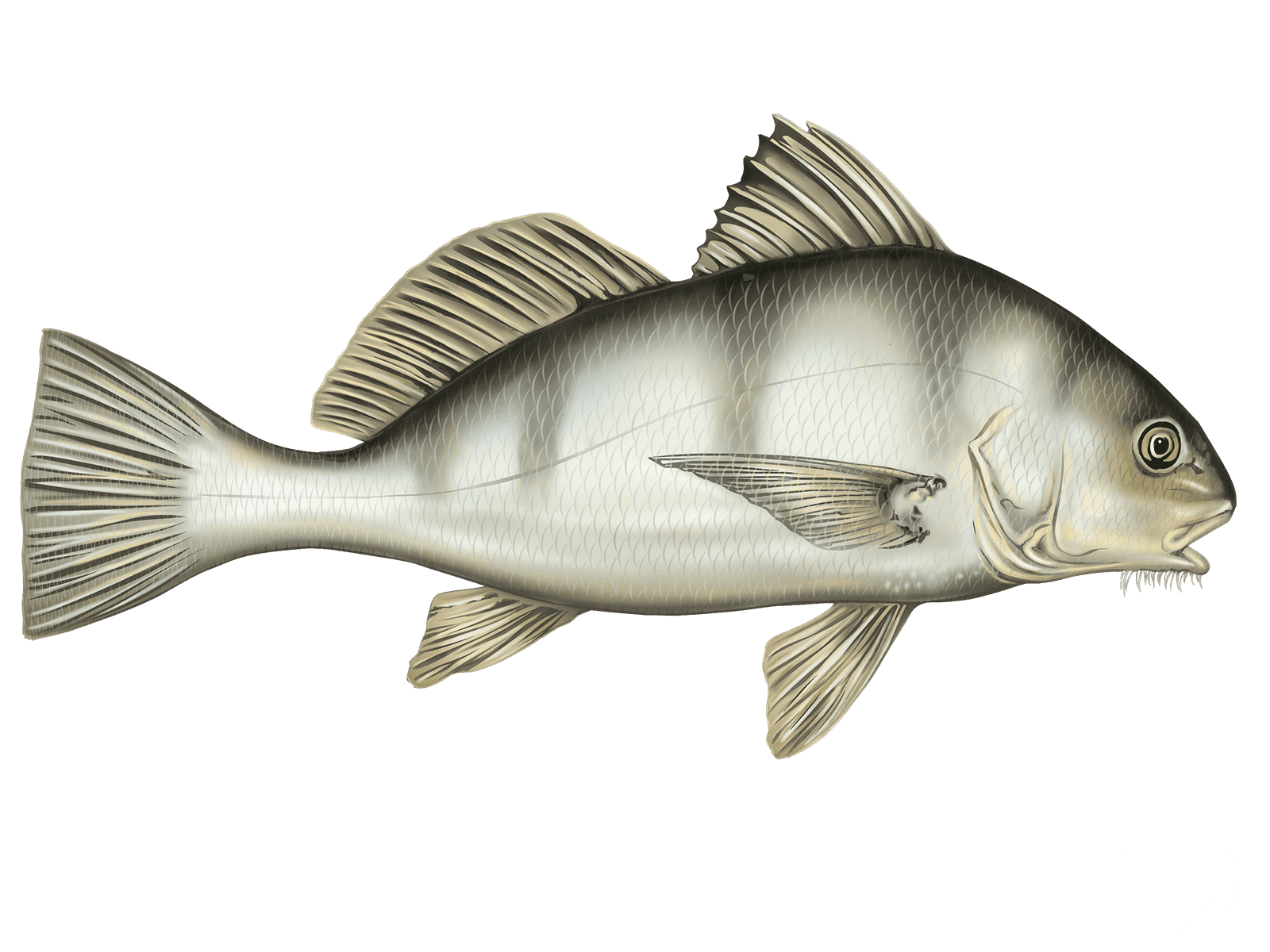
Black Drum
Black drum are the bulldogs of the flats - powerful fish that'll test your drag and your patience. These bottom-feeders typically weigh 10-25 pounds around here, with occasional brutes pushing 40-plus. You'll find them cruising shallow oyster bars, muddy flats, and creek mouths where they root around for crabs and shellfish. Spring is prime time when they school up for spawning, making them easier to target. What anglers love about drum fishing is the methodical hunt and that steady, grinding fight once you hook up. They make excellent table fare too, especially the smaller ones. My tip: fresh blue crab is hard to beat for bait, and fish it right on the bottom. When you feel that subtle tap-tap-tap, don't set the hook immediately - let them mouth it first.
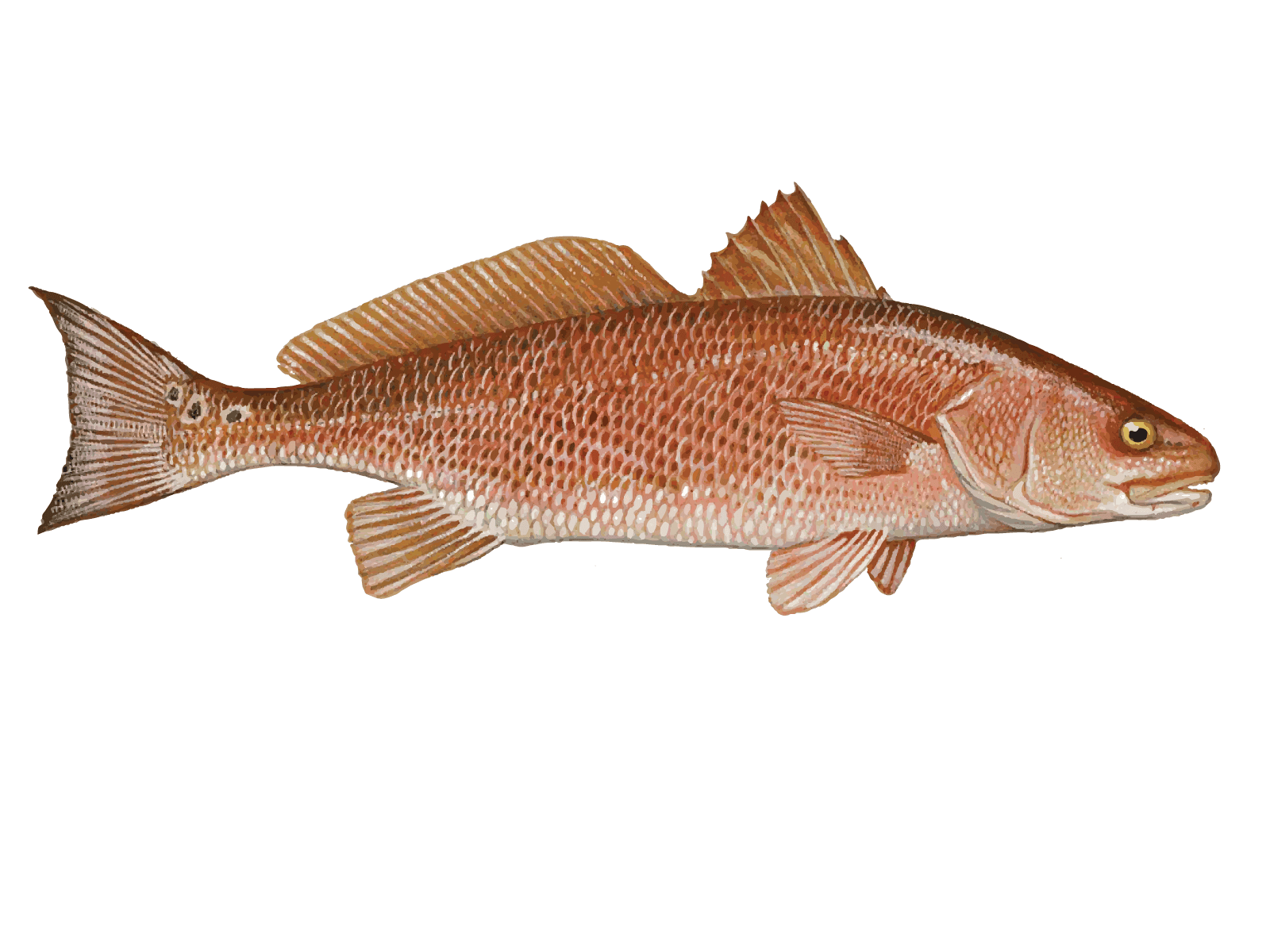
Redfish
Redfish are what put South Padre on the map - bronze beauties that'll bend your rod and test your skills on the shallow flats. Most slot fish run 20-28 inches, but we see plenty of oversized bulls pushing 35-40 inches that'll give you the fight of your life. They cruise grass flats, oyster reefs, and shorelines in water so skinny their backs show. Year-round fishing with peak action in fall when they school up thick. What makes reds special is that explosive topwater bite and bulldog fight in shallow water - pure adrenaline. They're also excellent eating in the slot. Here's my go-to tip: look for nervous water and tailing fish, then cast past them and work your bait back into their path. Reds spook easy in skinny water, so stealth beats speed every time.
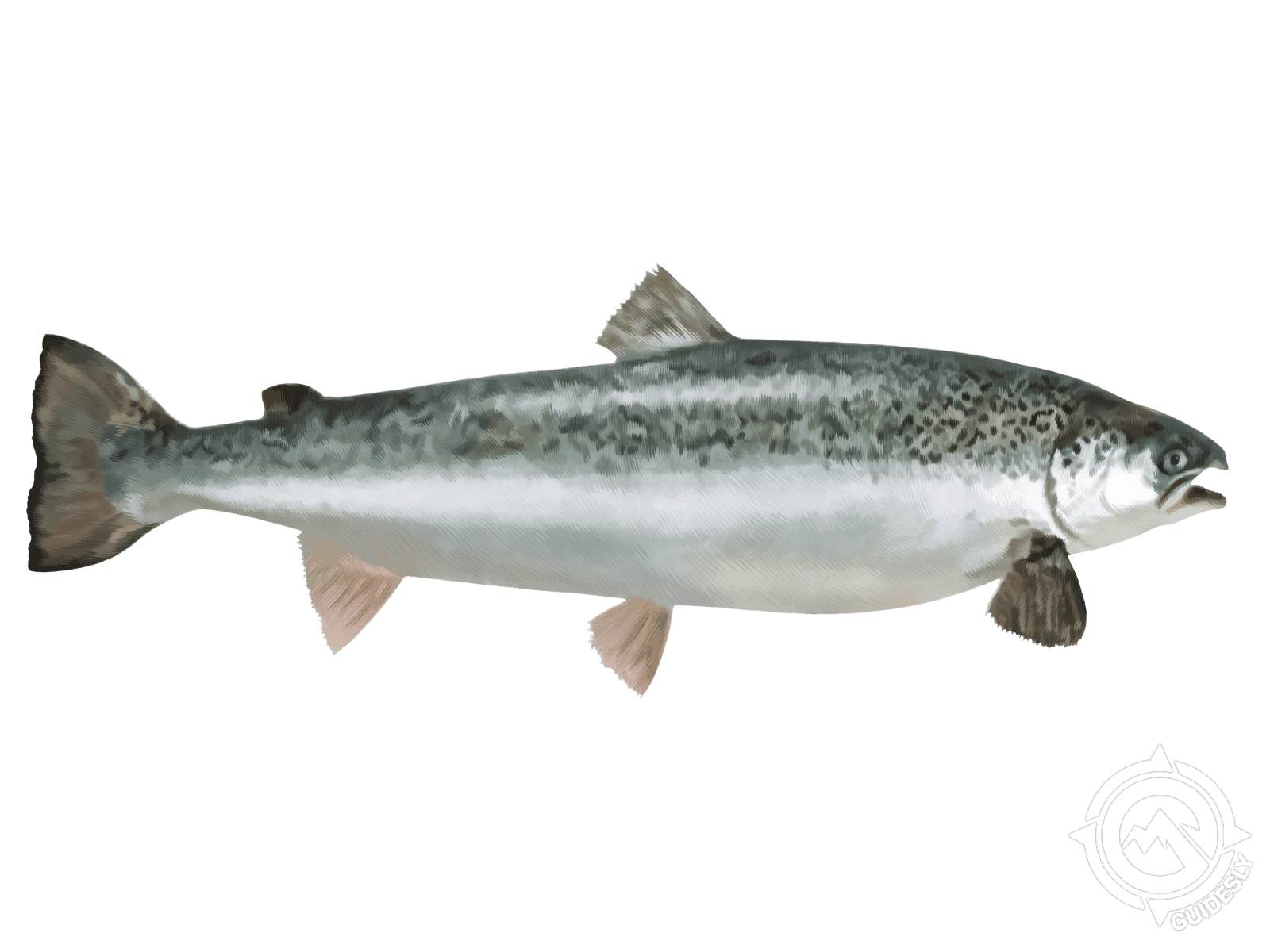
Sea Trout
Spotted seatrout are the bread and butter of our flats - willing biters that'll reward good technique with steady action. Most run 14-20 inches with occasional "gator trout" pushing 5-6 pounds. They love grass flats in 2-6 feet of water, especially around drop-offs and potholes where baitfish gather. Fall and spring offer the most consistent fishing, though they bite year-round here. What makes trout special is their willingness to hit artificials and that distinctive rattle when they shake their heads. They're also prime table fare with delicate, flaky meat that's hard to beat. The trick is working soft plastics or topwaters slowly over the grass - trout aren't speed demons. When the bite gets tough, downsize your lure and slow your retrieve. Sometimes finesse beats flash.
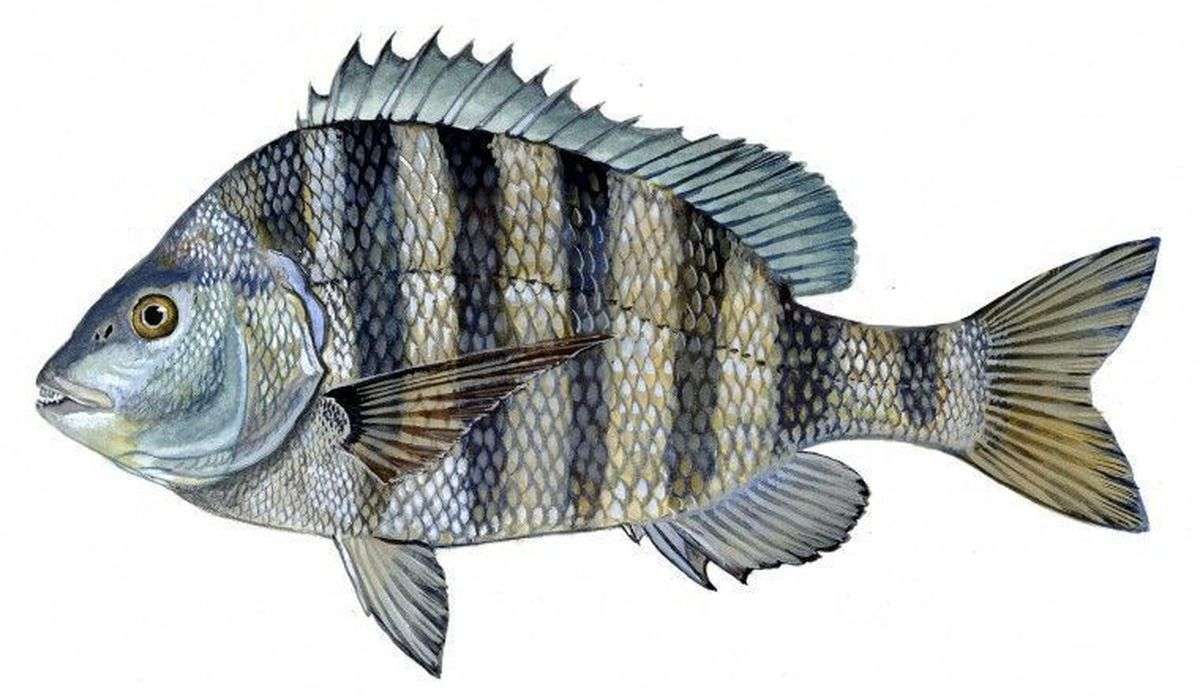
Sheepshead
Sheepshead are the pickpockets of the jetties - they'll steal your bait faster than you can blink. These black-striped convicts average 2-4 pounds but can push 8-10 around the right structure. Look for them tight to pilings, rocks, and anywhere barnacles grow thick. Winter through early spring is peak season when they stack up before spawning. Anglers love the challenge because sheepshead have human-like teeth and incredible bait-stealing skills that'll humble any angler. Plus, they're some of the best eating fish in these waters - sweet, flaky white meat. The secret is using small hooks with fresh fiddler crabs or barnacles, and when you feel that light pecking, set the hook hard and fast. They'll spit that bait quicker than you think, so stay ready.
Snook
Snook are aggressive ambush predators that'll hit hard and make blistering runs when hooked. These sleek fish with the distinctive black lateral line typically run 18-30 inches around South Padre, though bigger ones lurk in deeper channels. You'll find them around mangroves, docks, and inlet mouths where they can bushwhack baitfish. Spring through fall gives you the best action, especially during dawn and dusk when they're actively feeding. What makes snook special is their explosive strike and that trademark gill-rattling jump. They're also excellent table fare with firm white meat. Here's the key - cast your lure right to the structure edge, not five feet away. Snook won't chase baits far from cover, so accuracy beats distance every time.
About the Get'm Hook'd Fishing Charters
%2F%2Fusers%2Fe1b864cd-970e-4e5c-89fe-d89937e6b8c4%2Fvehicle_picture%2Fboat.jpg&w=1920&q=75)
Vehicle Guest Capacity: 6
Manufacturer Name: Suzuki
Maximum Cruising Speed: 30
Number of Engines: 1
Horsepower per Engine: 300