%2Ffit-in%2F250x250%2Fguide_websites%2F14194%2Fimages%2F1711189523546logo.jpg&w=1920&q=100)
/users/e1b864cd-970e-4e5c-89fe-d89937e6b8c4/ratecard/491973669_9395824863863243_2197547963942984698_n-mqrjr2yn.jpg)
%2F300x300%2Fusers%2Fe1b864cd-970e-4e5c-89fe-d89937e6b8c4%2Fratecard%2F491973669_9395824863863243_2197547963942984698_n-mqrjr2yn.jpg&w=256&q=75)
%2F300x300%2Fusers%2Fe1b864cd-970e-4e5c-89fe-d89937e6b8c4%2Fimages%2Fbest-great-spotted-weakfish-tx-2558.jpg&w=256&q=75)
%2F300x300%2Fusers%2Fe1b864cd-970e-4e5c-89fe-d89937e6b8c4%2Fimages%2Fanglers-fishing-south-padre-island-2463.jpg&w=256&q=75)
%2F300x300%2Fusers%2Fe1b864cd-970e-4e5c-89fe-d89937e6b8c4%2Fimages%2Fredfish-fishing-texas-2582.jpg&w=256&q=75)
%2F300x300%2Fusers%2Fe1b864cd-970e-4e5c-89fe-d89937e6b8c4%2Fimages%2Ftwo-people-fishing-tx-2410.jpg&w=256&q=75)
%2F300x300%2Fusers%2Fe1b864cd-970e-4e5c-89fe-d89937e6b8c4%2Fimages%2Fredfish-catch-tx-2578.jpg&w=256&q=75)
%2F300x300%2Fusers%2Fe1b864cd-970e-4e5c-89fe-d89937e6b8c4%2Fimages%2Fanglers-fishing-texas-2444.jpg&w=256&q=75)
%2F300x300%2Fusers%2Fe1b864cd-970e-4e5c-89fe-d89937e6b8c4%2Fimages%2Fbrook-trout-south-padre-island-2556.jpg&w=256&q=75)
%2F300x300%2Fusers%2Fe1b864cd-970e-4e5c-89fe-d89937e6b8c4%2Fimages%2Fredfish-roundup-in-texas-2661.jpg&w=256&q=75)
%2F300x300%2Fusers%2Fe1b864cd-970e-4e5c-89fe-d89937e6b8c4%2Fimages%2Fpacific-halibut-fishing-tx-2557.jpg&w=256&q=75)
%2F300x300%2Fusers%2Fe1b864cd-970e-4e5c-89fe-d89937e6b8c4%2Fimages%2Fsuccessful-fishing-trip-texas-2578.jpg&w=256&q=75)
Beginner Inshore Fishing Charter South Padre Island
 South Padre Island
What you will be catching:
 Black Drum
 Redfish
 Sea Trout
 Sheepshead
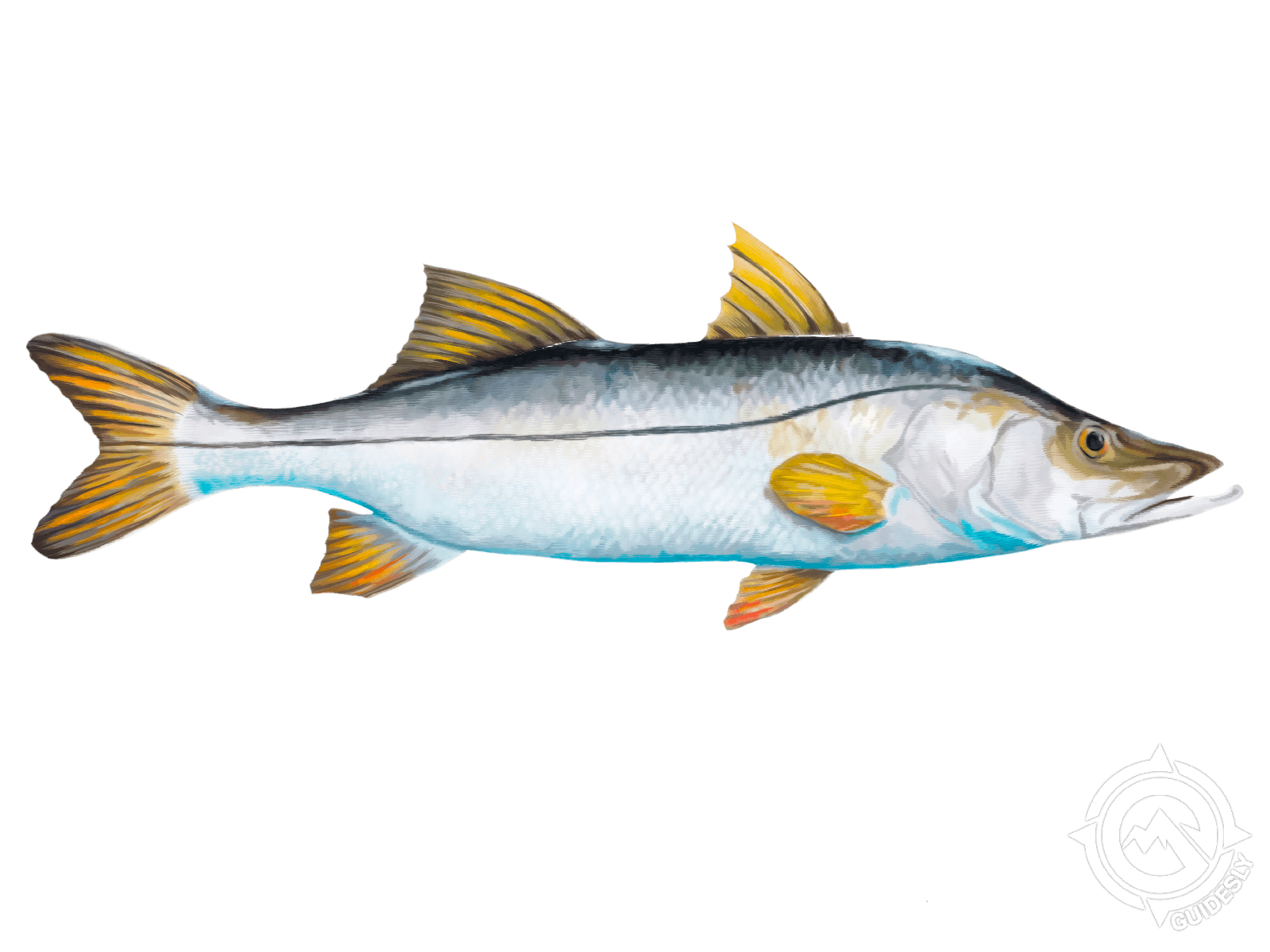
 Snook
Snook
- 5-hour beginner-friendly inshore fishing experience with expert instruction
- Target redfish, trout, and drum using provided light tackle equipment
- Maximum 2 guests ensures personalized guidance in productive shallow waters
Trip Pricing and Availabilities:
Half Day Inshore Fishing Charter - South Padre
Looking to get your feet wet in the world of inshore fishing without breaking the bank or your back? This half-day charter with Get'm Hook'd Fishing Charters is your ticket to some of the most productive shallow water fishing on the Texas coast. We're talking 5 solid hours in the protected bays and flats around South Padre Island, where the water stays calm and the fish bite year-round. Perfect for folks who've never held a fishing rod or maybe tried a few times from shore but want to step up their game. You'll be targeting some of the Gulf Coast's most popular species while learning techniques that'll serve you well for years to come.
What to Expect on the Water
Your captain knows these waters like the back of their hand, and they're genuinely excited to share what they know. We'll spend most of our time drift fishing through grass flats and along drop-offs where redfish and trout love to hang out. The boat stays in protected waters, so even if it's blowing 15-20 mph out in the Gulf, you'll be fishing comfortably in 2-4 foot depths with minimal chop. This isn't about impressing anyone with massive fish stories – it's about building confidence, learning proper technique, and hopefully putting some quality fish in the cooler. Your guide handles everything from rigging baits to netting fish, but they'll teach you every step if you want to learn. Most trips see action within the first hour, and with only 2 anglers maximum, you get plenty of personal attention.
Gear Setup & Techniques
We're keeping things simple with medium-light spinning tackle that's forgiving for beginners but still fun to fight fish on. Think 7-foot rods with 2500 series reels spooled with 15-20 lb braid – strong enough to handle anything you'll hook, but light enough to feel every bump and tap. The primary technique is drift fishing with live shrimp under popping corks, which is about as foolproof as inshore fishing gets. Your guide will show you how to work the cork, when to set the hook, and how to fight fish without losing them at the boat. We'll also throw some soft plastics on jig heads when the bite calls for it, giving you a taste of artificial lure fishing. All equipment, tackle, and bait come with the trip, plus ice and cleaning if you want to take fish home.
Species You'll Want to Hook
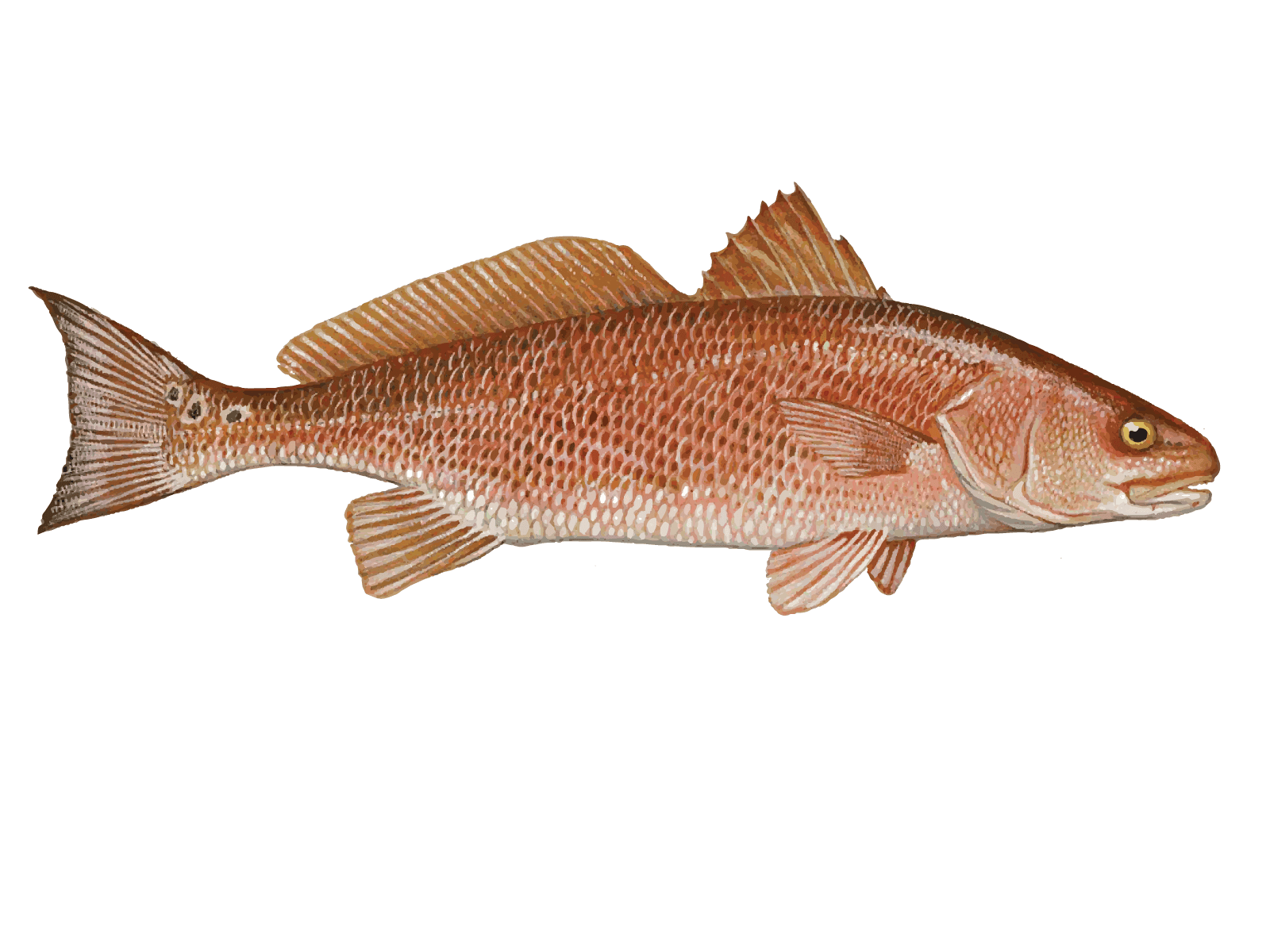
Redfish are the bread and butter of South Padre inshore fishing, and for good reason. These copper-colored bruisers average 18-28 inches in our area and fight way above their weight class. They're most active during moving tides and love to cruise grass flats looking for shrimp and small crabs. What makes reds special is their willingness to eat – they're not picky about baits and once hooked, they make long, powerful runs that'll test your drag system. Best months are April through November, but we catch them year-round in deeper pockets during winter.
Spotted Seatrout, or "specs" as locals call them, are the perfect beginner fish because they bite aggressively and don't require perfect technique to hook up. These silver and black spotted beauties typically run 14-20 inches here and prefer slightly deeper grass beds and channel edges. They're most active in spring and fall when water temps hit that sweet spot between 65-75 degrees. Specs have a soft mouth, so your guide will teach you to fight them with steady pressure rather than trying to horse them in. Their delicate flesh makes them one of the best eating fish in the bay.
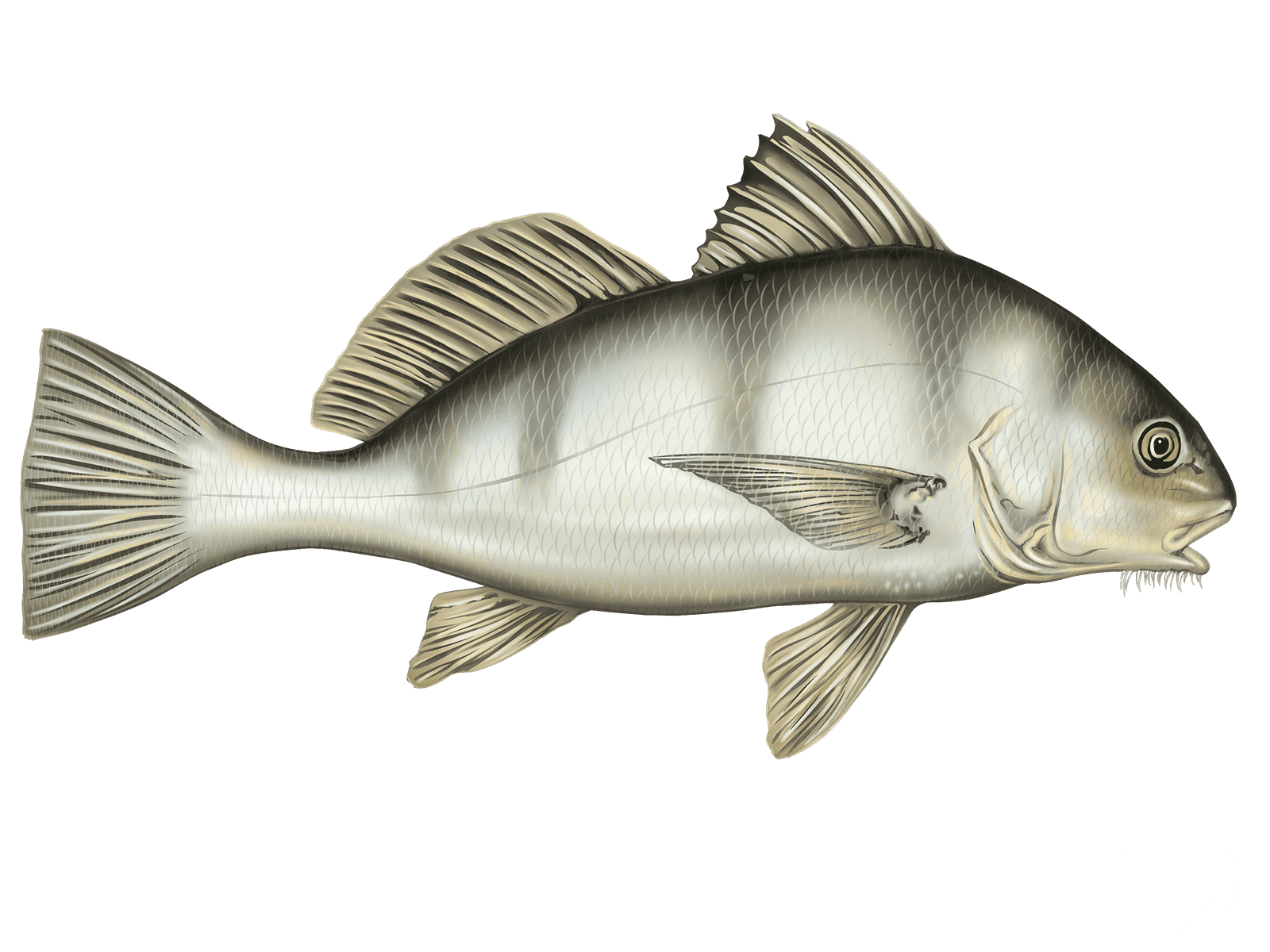
Black Drum might not win beauty contests, but they're absolute bulldogs that'll teach you what real fighting power feels like. The smaller ones we target (12-25 inches) are excellent table fare and incredibly strong for their size. They love to hang around structure and drop-offs, using their downturned mouths to root for crabs and worms in the bottom. Peak season runs from March through October, with the biggest numbers showing up during warmer months. When you hook a drum, expect a straight-down fight as they try to reach bottom – it's completely different from the horizontal runs of redfish.
Snook are the bonus fish that make every angler's day. These subtropical fighters are near the northern edge of their range here, making each catch special. They're ambush predators that love to hide along mangrove shorelines and dock pilings, exploding on baits with gill-rattling strikes. Most snook here run 18-26 inches and are catch-and-release only, but the fight they provide is worth more than any meal. They're temperature sensitive, so your best shot is May through September when water temps stay consistently warm.
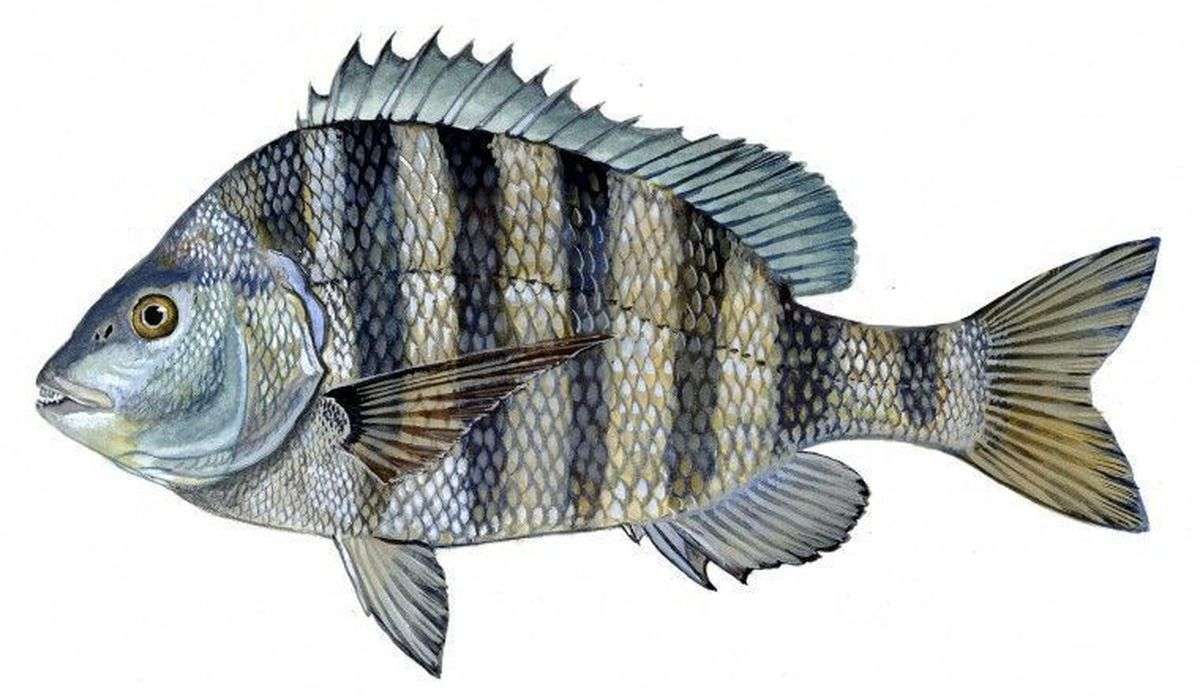
Sheepshead round out the mix as the technical challenge fish. These black-and-white striped convicts have human-like teeth and are notorious bait thieves. They hang around structure like dock pilings and bridge supports, requiring precise presentations and lightning-fast hooksets. Most run 12-18 inches locally and are considered some of the best eating fish in the Gulf. Winter months are prime time for sheepshead, making them a reliable target when other species move to deeper water.
Time to Book Your Spot
This half-day trip delivers exactly what new anglers need – quality instruction, consistent action, and realistic expectations in a comfortable setting. You're not just paying for a boat ride; you're investing in skills and confidence that'll last a lifetime. The protected waters around South Padre Island fish well almost every day of the year, and Get'm Hook'd's local knowledge puts you on fish efficiently. Whether you're looking to try saltwater fishing for the first time or want to sharpen your inshore techniques, this charter provides the perfect platform. Book early, especially during peak spring and fall months when the fishing is hottest and spots fill up fast.
Learn more about the species
Black Drum
Black drum are the bulldogs of the flats - powerful fish that average 5-15 pounds but can push 30+ around here. They cruise oyster beds and muddy bottoms in 2-8 feet of water, using those crusher jaws to demolish crabs and shellfish. Spring is prime time when they school up for spawning, making them easier to target. What guests love is that steady, heavy pull - no flashy jumps, just pure muscle. The smaller ones (under 15 pounds) make great table fare with mild, flaky meat. You'll hear them first - they actually make drumming sounds underwater during feeding. My go-to tip: use fresh crab or cut mullet on the bottom near shell beds. Keep your drag tight but not locked down - these fish will test your equipment with that initial run.
Redfish
Redfish are the bread and butter of our flats - bronze backs with that signature black spot near the tail, typically 18-28 inches and full of fight. They cruise super shallow water, sometimes with their backs showing, around oyster bars and grass beds. Year-round fishing here, but fall and spring are peak times when they school up thick. What guests love is watching them cruise in clear water before the strike, plus they pull like freight trains on light tackle. They eat well too - firm, mild meat that's hard to mess up. Those eyespots aren't just for looks; they confuse predators into attacking the wrong end. Best advice: look for nervous water or tailing fish in the shallows. Cast ahead of cruising fish and let your lure sink - they spook easy but hit hard when they're feeding.
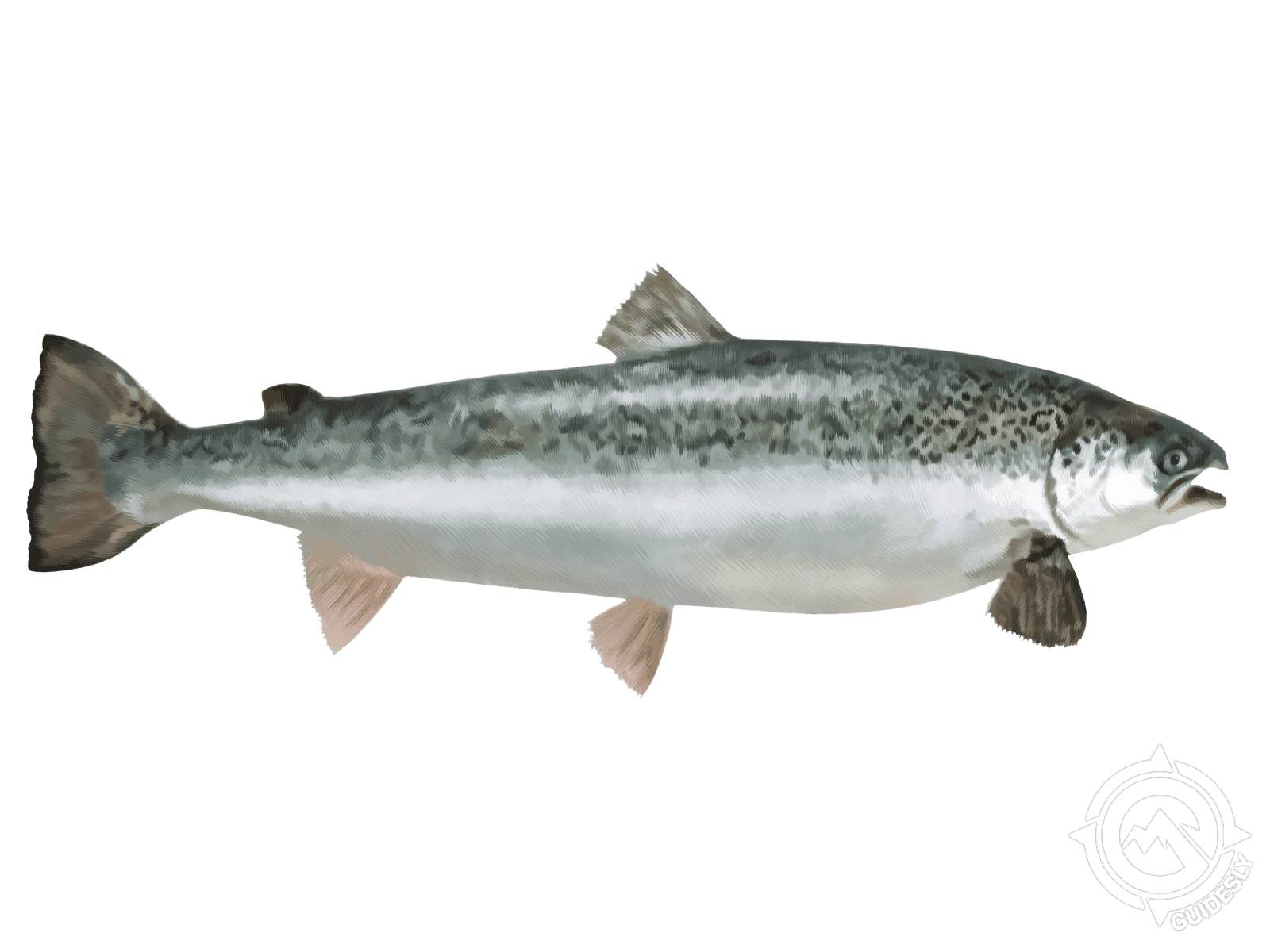
Sea Trout
Spotted seatrout are perfect starter fish - they hit hard but don't require heavy tackle, usually running 14-18 inches with those distinctive black spots. Look for them over grass flats in 2-6 feet of water, especially around dawn and dusk when they move shallow to feed. They're active most of the year but really shine during cooler months when they school up tight. What makes them popular is their willingness to hit artificial lures and their excellent table fare - tender, white meat that doesn't get much better. The fight is fun without being overwhelming for new anglers. Cold fronts actually help concentrate them in deeper pockets of the flats. Pro tip: work your lure slow and near the bottom in deeper grass. When it's calm, try topwater at first light - the surface strikes are something to remember.
Sheepshead
Sheepshead are the convict fish of our waters - those black stripes over gray bodies make them unmistakable. They run 1-3 pounds typically, though 5-pounders show up around deeper structure. You'll find them hugging dock pilings, bridge supports, and anywhere barnacles grow thick. They're year-round residents but really turn on during cooler months when they school up. Guests get a kick out of their human-like teeth and the challenge they present - they're notorious bait thieves with light, nibbling bites. The payoff is some of the best eating fish in the Gulf, sweet white meat that's worth the effort to clean. Here's the secret: use small hooks with fresh shrimp and stay patient. When you feel that subtle tap-tap, count to two then set hard - they'll steal your bait if you're not quick.
Snook
Snook are some of the smartest fighters in these waters, typically running 1-3 feet with that distinctive black lateral line and golden color. They love hanging around mangroves, docks, and creek mouths in shallow water, especially during warmer months from spring through fall. What makes them special is how they ambush prey with lightning-fast bursts - same aggressive strike you'll feel on your line. The meat is fantastic eating, white and flaky when cooked right. During spawning season (May-September), their fins turn bright yellow and they get more active around moving water. Here's the key: cast tight to structure and use weedless lures. Snook won't chase bait far from cover, so get that presentation within a foot of the mangroves or pilings for your best shot.
About the Get'm Hook'd Fishing Charters
%2F%2Fusers%2Fe1b864cd-970e-4e5c-89fe-d89937e6b8c4%2Fvehicle_picture%2Fboat.jpg&w=1920&q=75)
Vehicle Guest Capacity: 6
Manufacturer Name: Suzuki
Maximum Cruising Speed: 30
Number of Engines: 1
Horsepower per Engine: 300